
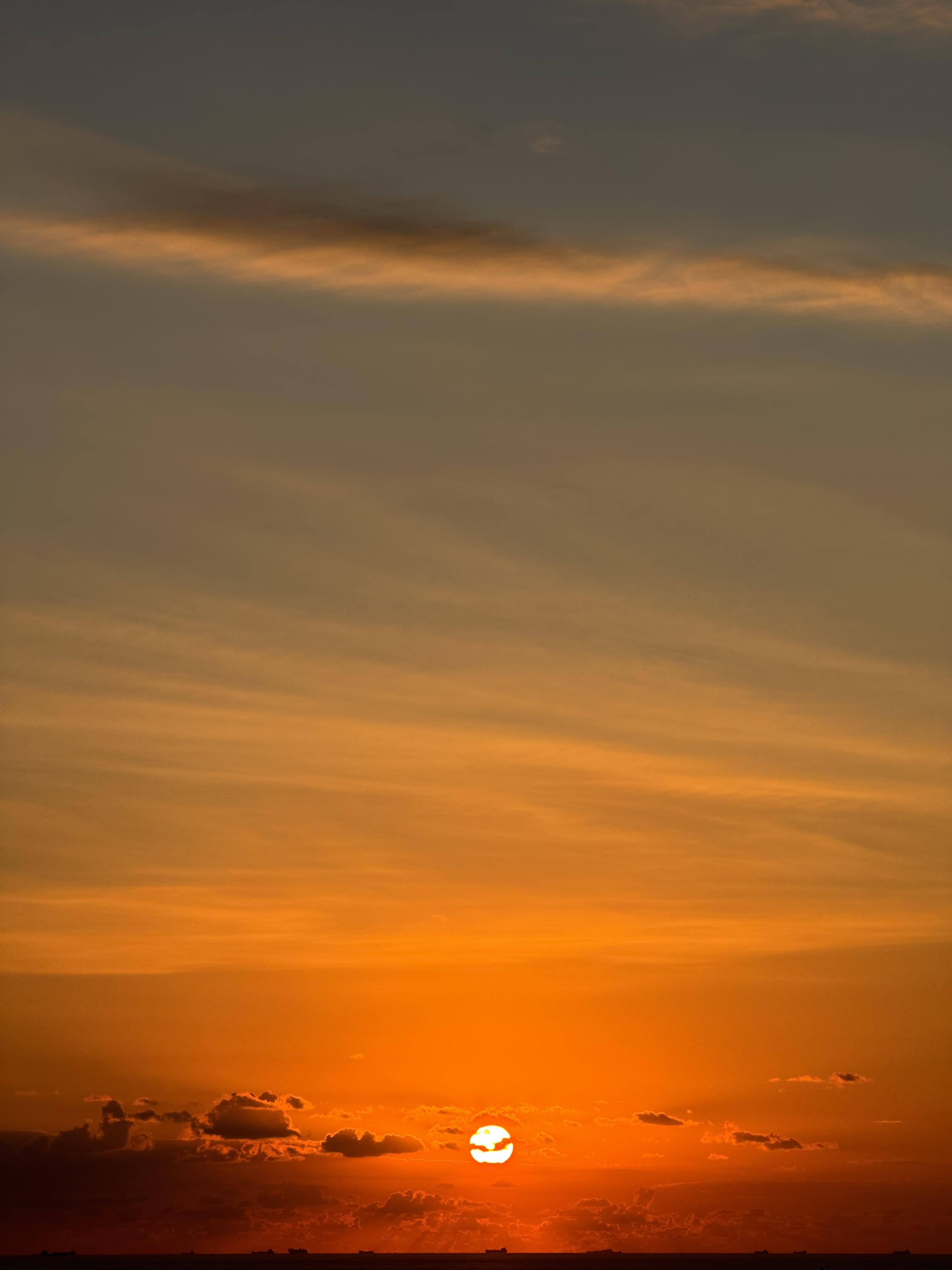
The Same Sky, A Different Story
The Same Sky, A Different Story
Every sunrise is new. Every sunset is different.
And yet, they happen every single day.
The sun rises in the East and sets in the West, the same rhythm, the same ancient routine, repeated for as long as humans have been watching the sky. But somehow, no two mornings or evenings ever feel quite the same.
I think this is what fascinates me most. They are beautiful reminders of beginnings and endings. Of starting again. Of letting go. And of something we can't escape, no matter how busy we are, how much we achieve, or how much we try to control.
The sun will rise… The sun will set… Life keeps moving.
If you've ever been up early enough (or out late enough), you'll know the sky doesn't just switch on like a light. It builds, slowly, in layers. And those layers have names:
Astronomical twilight is the very first hint. The sun is still between 12 and 18 degrees below the horizon. To most of us it looks like night, but the darkest part of the sky has quietly started to fade. Astronomers notice. Most of us are asleep.
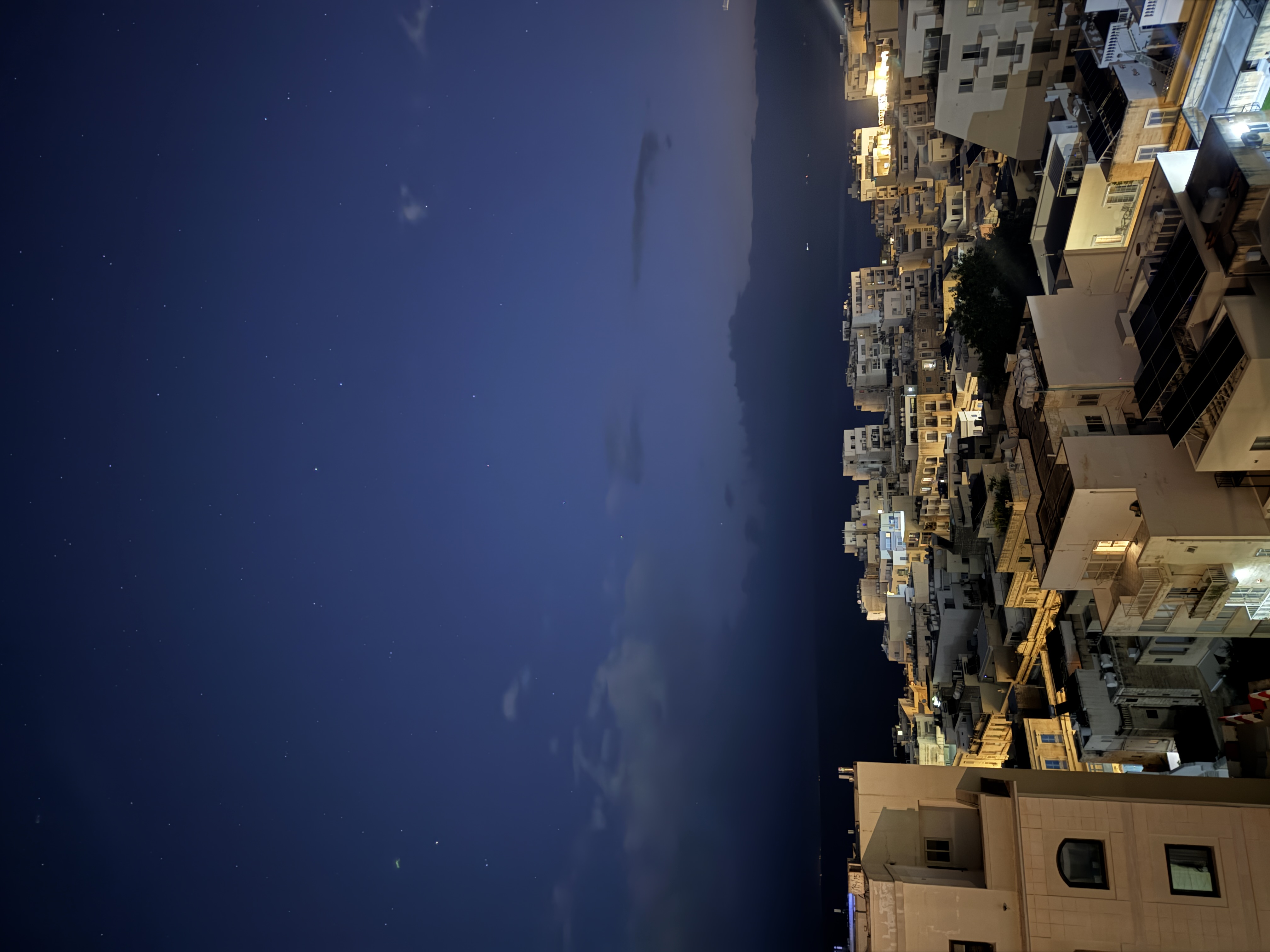
Nautical twilight comes next, with the sun between 6 and 12 degrees below the horizon. The horizon line becomes visible while the brighter stars are still out, which is exactly where the name comes from. Sailors could see both at once and take their bearings. The whole sky sits in a deep, inky blue.
Civil twilight is the final stretch, when the sun is less than 6 degrees below the horizon. There's enough light to see without a torch, and this is where the colour really kicks in. The horizon warms to peach, orange and pink while the sky overhead holds on to its blue.
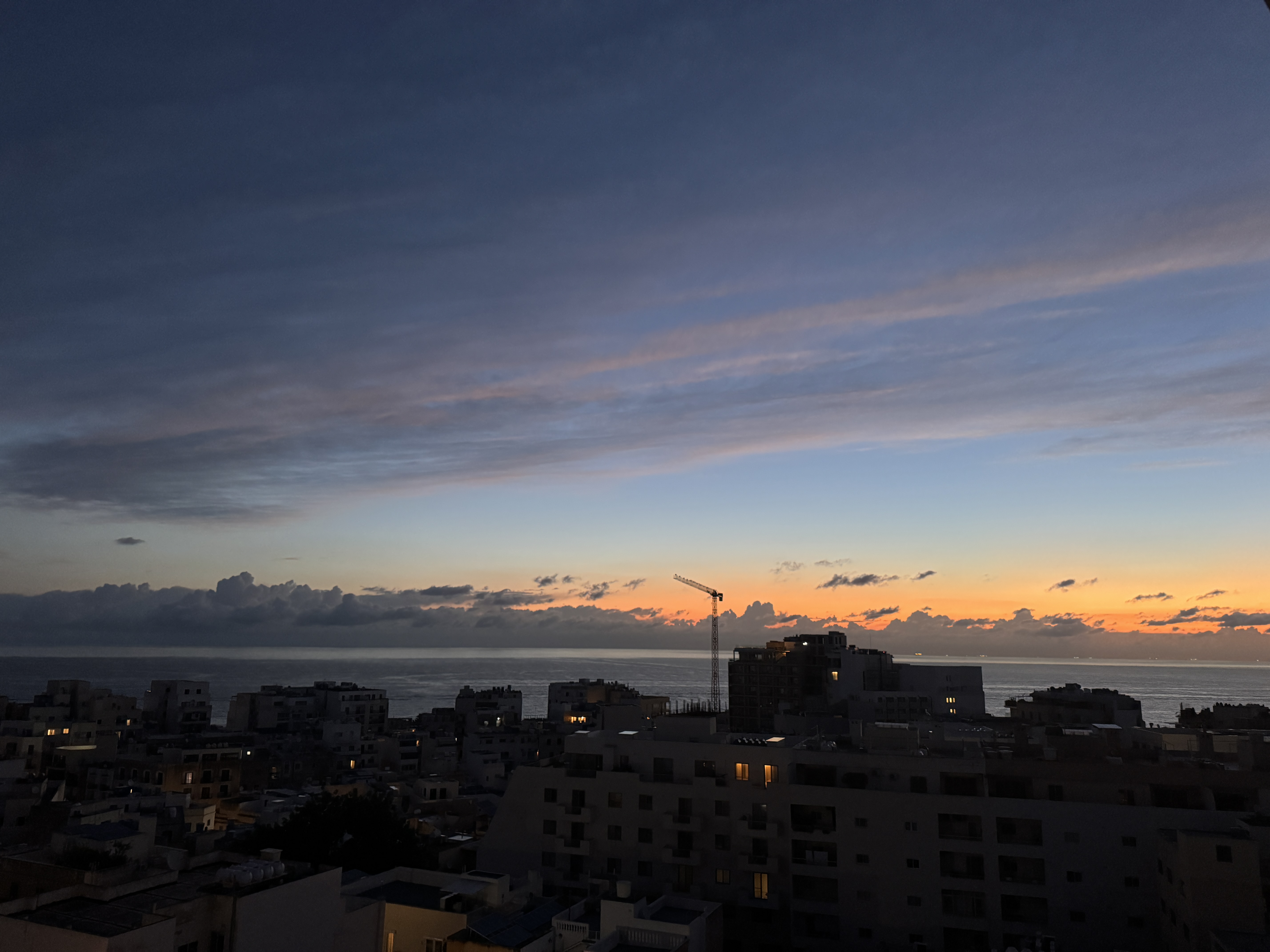
Photographers have their own names too. Blue hour is that soft, saturated blue during twilight, when everything looks calm and slightly unreal. Golden hour is the time just after sunrise or just before sunset, when the light is low, warm and throws long shadows across everything.
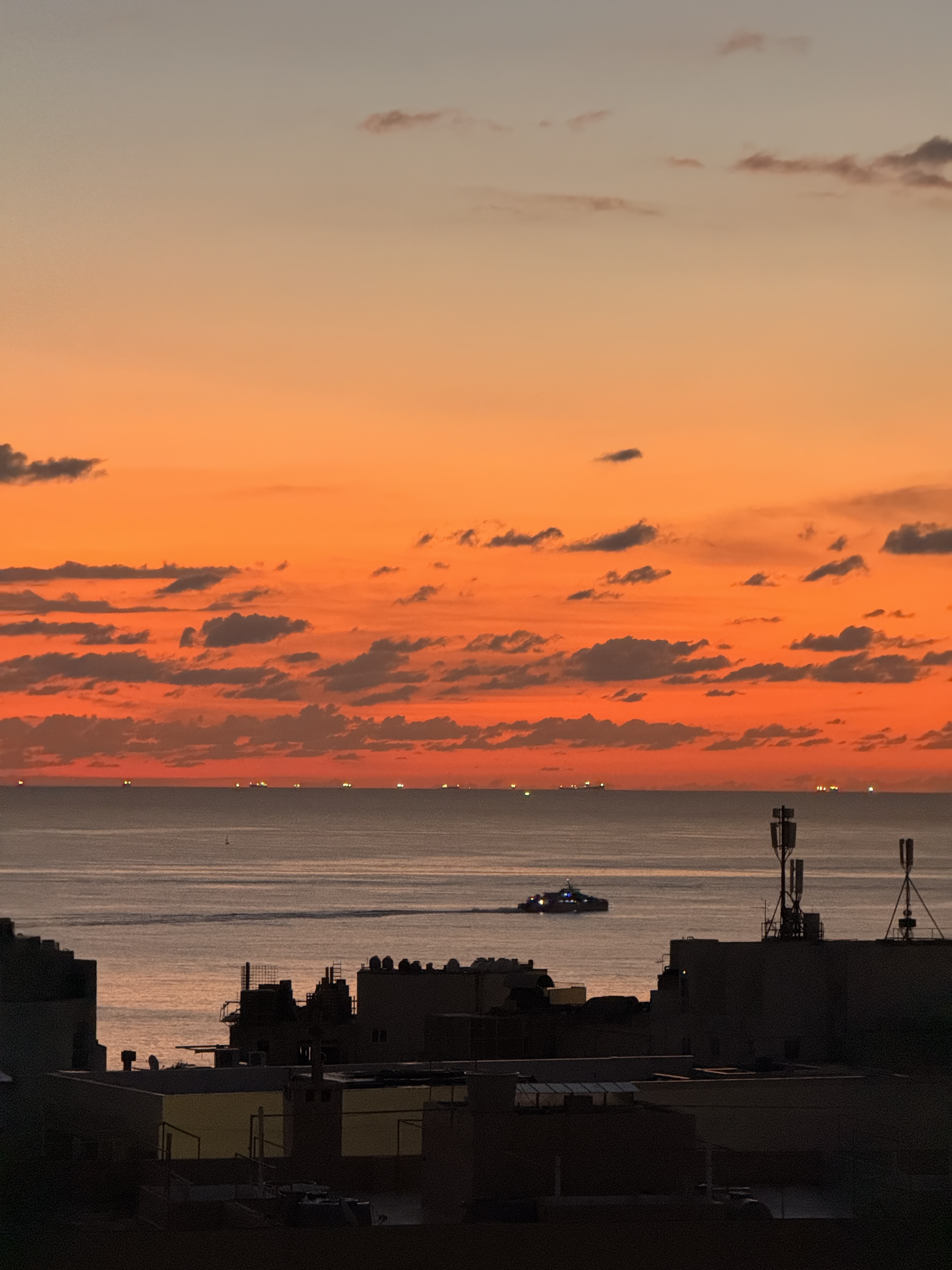
Sunlight contains every colour. As it passes through the atmosphere, the tiny gas molecules in the air scatter the shorter wavelengths (blues and violets) far more than the longer ones (reds and oranges). This is called Rayleigh scattering, and it's the reason the daytime sky looks blue. When the sun is low, its light has to travel through a lot more atmosphere to reach you. By the time it arrives, most of the blue has been scattered away along the journey. What's left is the warm end of the spectrum: the reds, oranges and golds.
Clouds are the canvas. A completely clear sky can be lovely, but scattered high or mid-level cloud catches the light from underneath and sets the whole thing alight. Thick low cloud, on the other hand, just blocks the view. Dust, sea salt, pollen, smoke and even volcanic ash can all deepen the colours, which is partly why sunsets often feel more fiery than sunrises. By evening, the air is carrying a full day's worth of particles. Mornings tend to be cooler, calmer and clearer, so the colours often come through softer and more pastel.
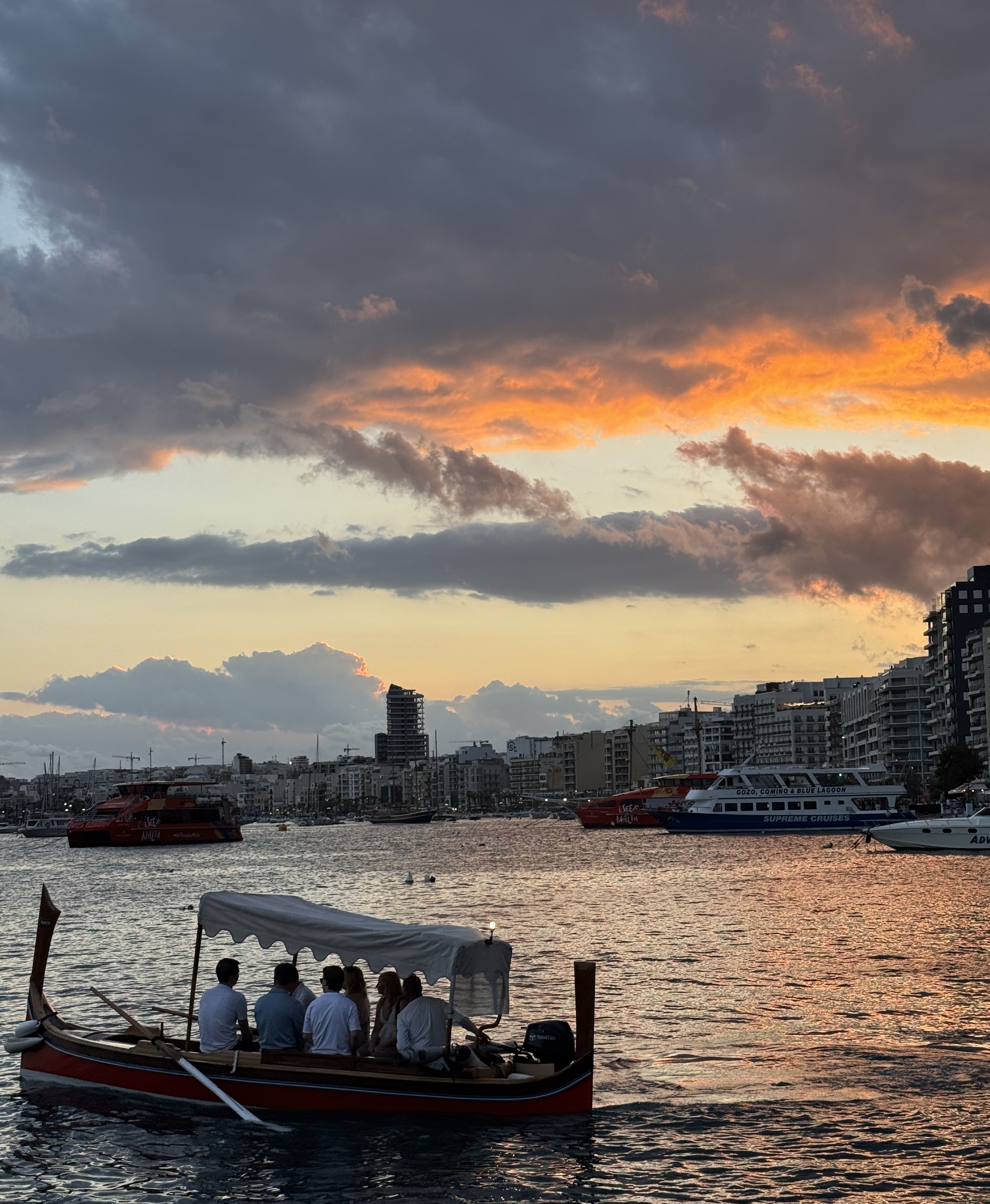
For sailors, the sun has historically been far more than something beautiful to look at. It was a guide, helping people navigate, understand direction, read the passing of time and find their way home. Long before clocks, apps and maps, the sky was the compass. And across cultures, sunrise and sunset have carried meanings far beyond the physical. Ancient Egyptians associated the rising sun with rebirth and renewal, while the setting sun was connected with the journey into the underworld and the promise of return.
In Hindu traditions, sunrise has long been a sacred time for prayer, reflection and offering, greeting the new day with intention. Different cultures. Different beliefs.But perhaps a strangely similar human instinct: To look up, to mark the beginning, to acknowledge the ending, to find meaning in something bigger than ourselves!
And maybe that's why I find them so visually stimulating. My brain notices the colours, the clouds, the reflections, the tiny changes in light. A sunrise can happen in the same place every morning and still look completely unfamiliar. The same sky, a different story. There's something comforting in that. We have routines. We return to the same places. We wake up, we work, we eat, we sleep. We repeat.
And yet, like the sunrise and sunset, we are never exactly the same person we were yesterday. So perhaps the lesson is not that beginnings and endings can be avoided. They can't. Perhaps it's that we should learn to notice them. Because somewhere between the first light and the last glow, life is happening.
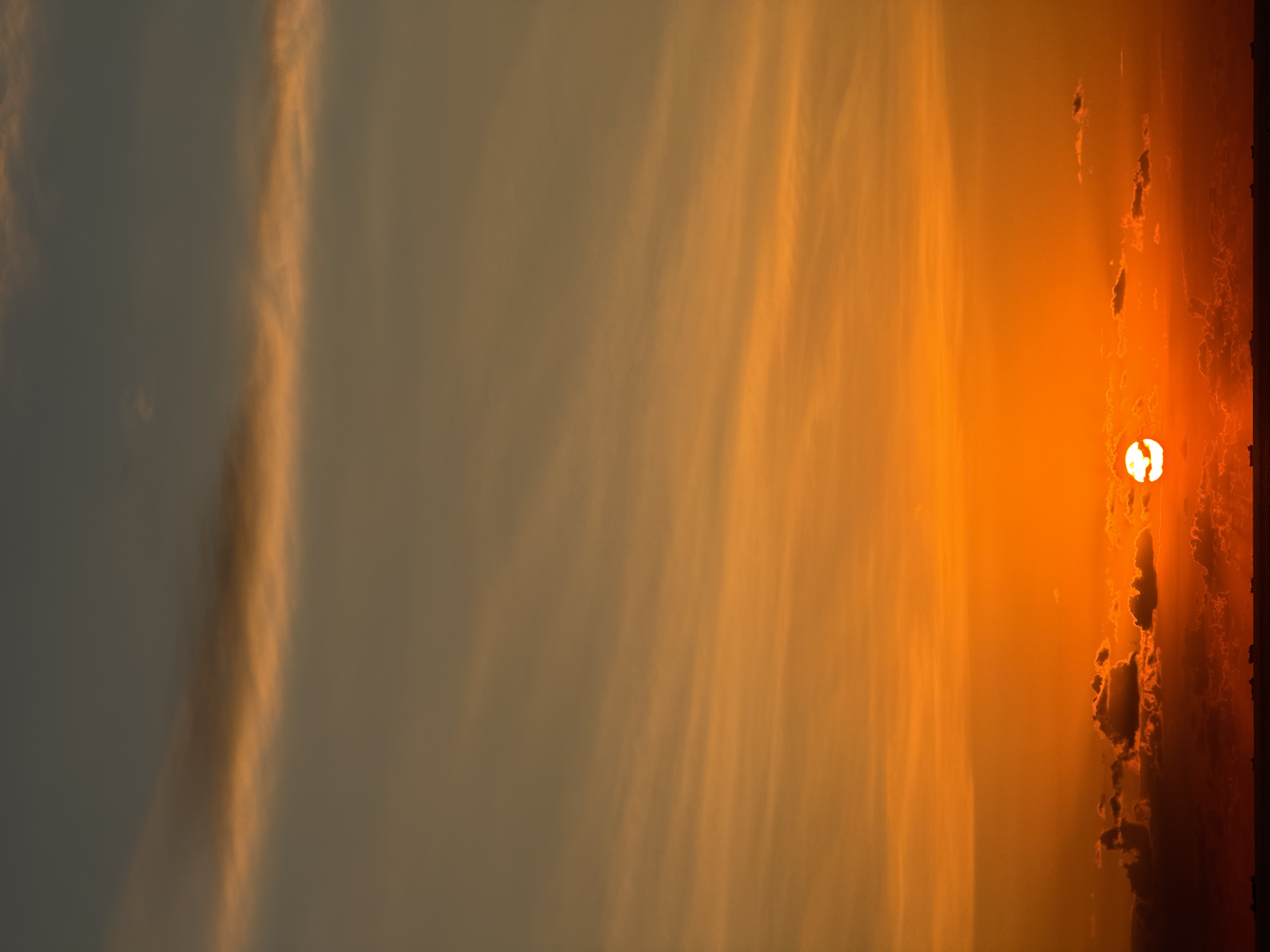
And tomorrow morning, the sun will rise again. Not quite the same. And neither will we.